
The angel of the Lord also said to her, “I will greatly multiply your descendants so that they will be too many to count.”
The angel of the Lord said to her further,“Behold, you are pregnant,
And you will give birth to a son;
And you shall name him Ishmael,
Because the Lord has heard your affliction.
But he will be a wild donkey of a man;
His hand will be against everyone,
And everyone’s hand will be against him;
And he will live in defiance of all his brothers.”Then she called the name of the Lord who spoke to her, “You are a God who sees”; for she said, “Have I even remained alive here after seeing Him?”
Genesis 16:10-14
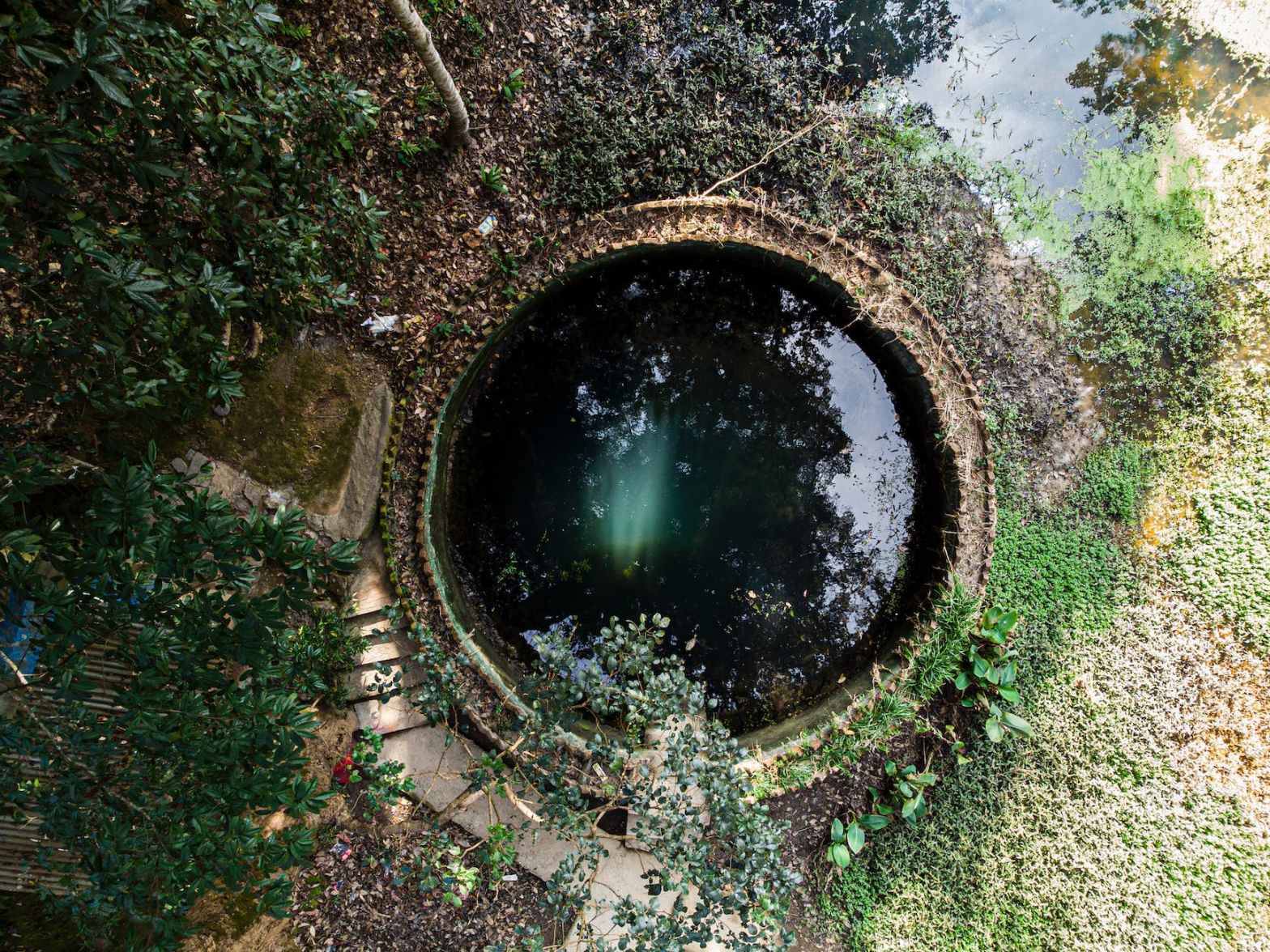
Therefore the well was called Beer-lahai-roi; behold, it is between Kadesh and Bered.
Quite rightly, Hagar has received attention as the first human in the Bible to name God. And a woman no less! Hundreds of years later, another woman at a well, another figure from the margins, likewise calls on the name of the Lord. “Messiah,” she says, prompting Jesus’s answer, “I who speak to you am he” (John 4:7-26).
As I explored recently, in calling upon the name of God, these two women perform a powerful prayer, signalling their recognition of God’s essence and his will. Where God names and renames various people in the Biblical story to signal a shift in their identity and purpose, God is never nameless, nor does his name ever change. Rather, the name of God becomes visible to those whose eyes the Spirit opens to God’s character and works.
In Hagar’s case, it is the words of the Angel of the Lord which illuminate for her the name of God. His divine words echo the promise God had only recently made to Hagar’s master, constituting a pivotal moment in Biblical history, when God promises Abram a son (Gen. 15). Here now, the Angel extends this same covenant to a victim of oppression, mother of many and of Ishmael a wild donkey of a man, symbol of those who are unsettled, anxious, in exile.
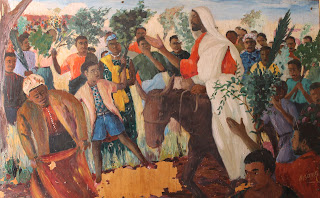
And many years later, Saul having searched without success for his father’s own lost donkeys (1 Samuel 9:3), God having heard the prayers of the women who name him, God reveals the astounding scope of his vision, stretching as far as wherever all the lost ones roam, even the wildest of donkeys. Our God-Who-Lives-and-Sees tells his disciples of the place, and off they go (Mark 11:2).


beautiful as usual, showing the path to faith.
Thank you so much for doing it!
LikeLiked by 1 person